
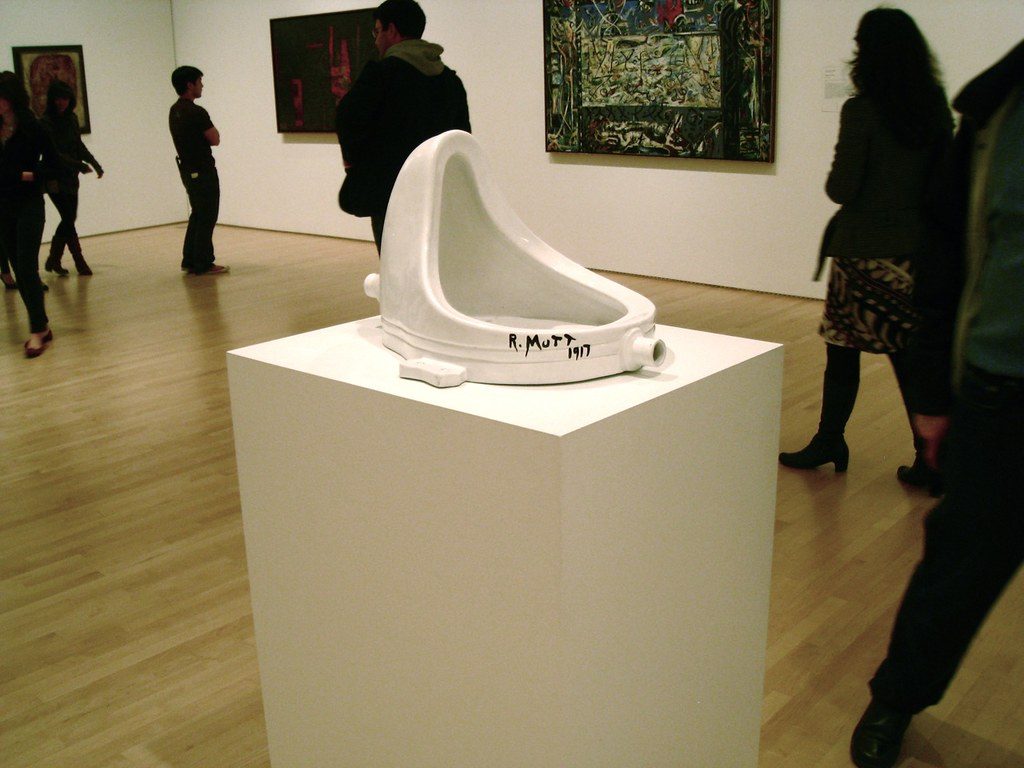
In the world of contemporary art there are few subjects have sparked as much provocation and debate as the humble toilet. From Marcel Duchamp’s groundbreaking “Fountain” (1917) to newer pieces by artists like Maurizio Cattelan and Ai Weiwei, bathroom fixtures have gone beyond their basic purpose to become true talking pieces in modern and contemporary art. Before you call your local bathroom remodelers and ask for an in-home exhibit think about the important questions about the nature of art, the role of shock value and the availability of high art to the masses.
A New Beginning
One of the first major instances is Marcel Duchamp’s “Fountain,” a urinal signed “R. Mutt” and submitted to an exhibition of modern art in New York in 1917. This single artwork challenged definitions of art and authorship, opening the door for an entirely new perspective on art and the big art houses. Duchamp’s piece was an important moment in the development of conceptual art, questioning what constitutes a work of art and who the gatekeepers should be.
Notable Artists and Works
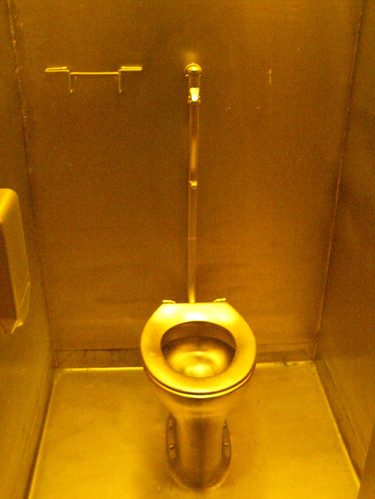
Over the years many artists have prominently featured toilets in their work, each approaching the subject with varying intentions. Maurizio Cattelan’s “Comedian” (2019), a toilet made of wood and bronze that was famously stolen from the 2019 Venice Biennale, is a notable example. Ai Weiwei’s “Law of the Journey” (2017), a massive installation featuring 300 wooden boats and a toilet, explores themes of migration and displacement. Jeff Koons’s “Tulips” (1994-2000), a series of stainless steel sculptures featuring toilets and flowers, blurs the line between functionality and aesthetics.
Thematic Explorations
The use of toilets in art raises important questions about class and consumerism, bodily functions and taboo along with functionality vs. aesthetics and the gatekeeping of art. What does a toilet say about wealth, status and human dignity? How does art address the “unmentionable” aspects of human existence? Can something be both useful and beautiful?
Cultural and Philosophical Implications
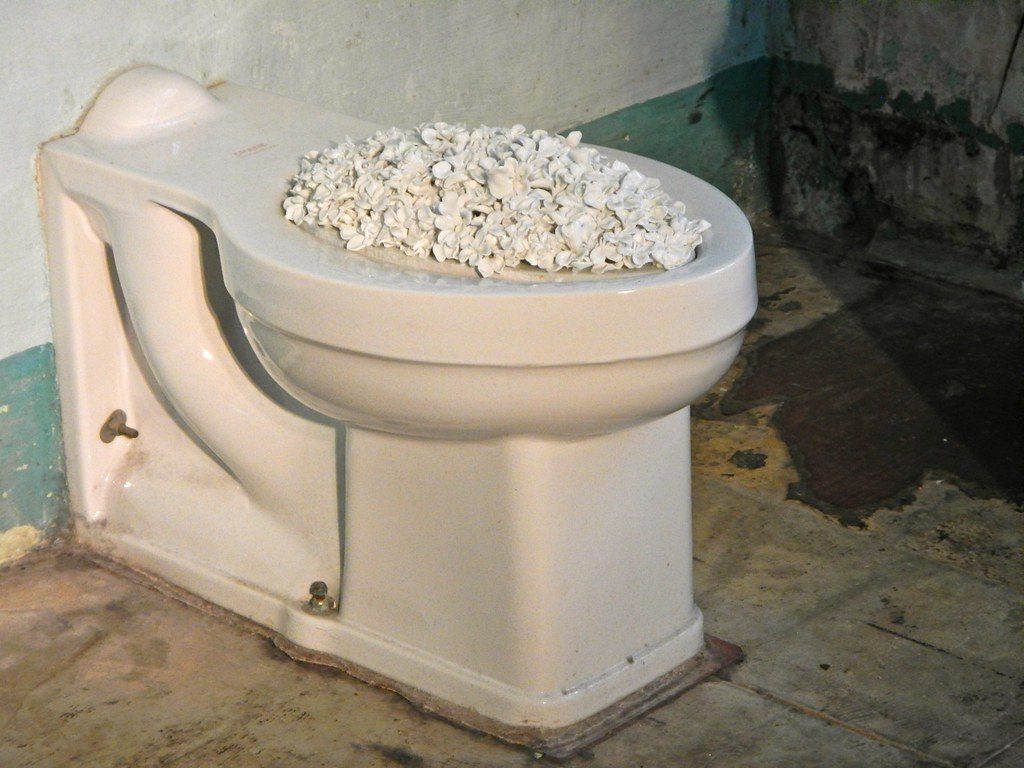
These works reveal much about contemporary society’s relationship with the body, waste and cleanliness. They also highlight the role of humor, discomfort and provocation in modern art. Different cultures respond to bathroom imagery in artistic contexts in varying ways, reflecting their unique values and norms.
Museum and Gallery Perspectives
Museums and galleries have had to adapt to the challenges of displaying functional or pseudo-functional bathroom art. Notable exhibitions featuring toilet-based art have sparked controversy and debate, with some critics dismissing such work as gimmicky or offensive. However many artists and curators argue that these works are legitimate and thought-provoking, challenging our assumptions about art and society.
The Controversy and Criticism
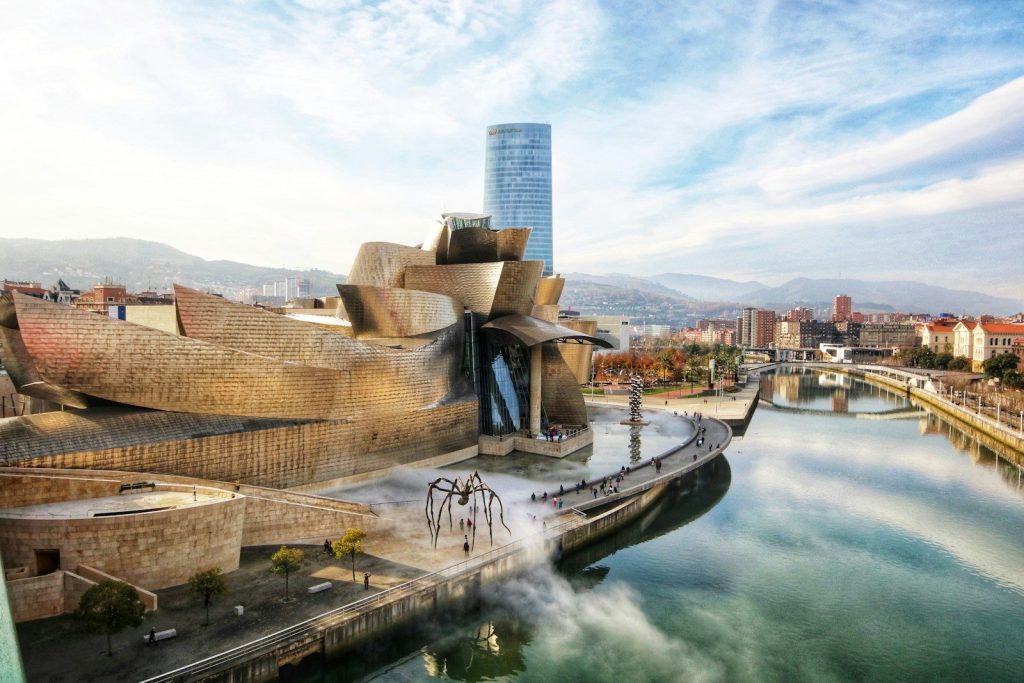
The use of toilets in art has been met with criticism and controversy, with some arguing that it is a gimmick or a form of shock value. Despite that others see it as a legitimate way to explore themes and challenge our assumptions including major art museums like the Guggenheim. The ongoing debate about what constitutes “real” art continues, with no resolution that won’t just have it’s boundary pushed.
Future Directions
As the art world continues to evolve, it will be interesting to see how the use of toilets in art develops. Will it continue to be a source of provocation and debate or will it become a more accepted and mainstream aspect of contemporary art? One thing is certain: the use of toilets in art has opened up new possibilities for artists and challenged our assumptions about what constitutes “real” art.