
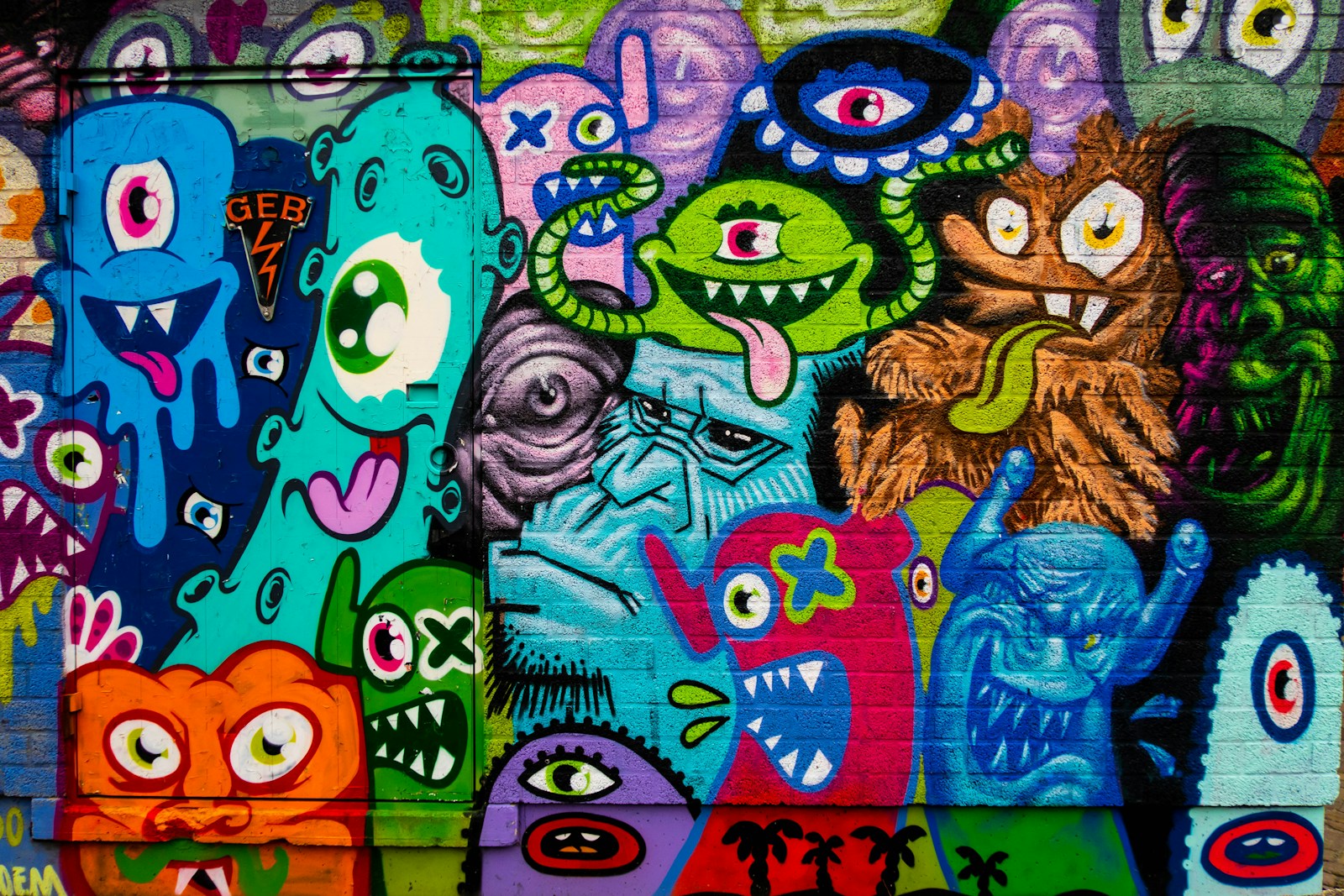
The evolution of street art has been a remarkable journey, transforming from a form of rebellion and self-expression to a respected art form showcased in galleries and museums. This transformation is a testament to the power of street art to challenge societal norms, convey powerful messages and inspire change.
Historical Context
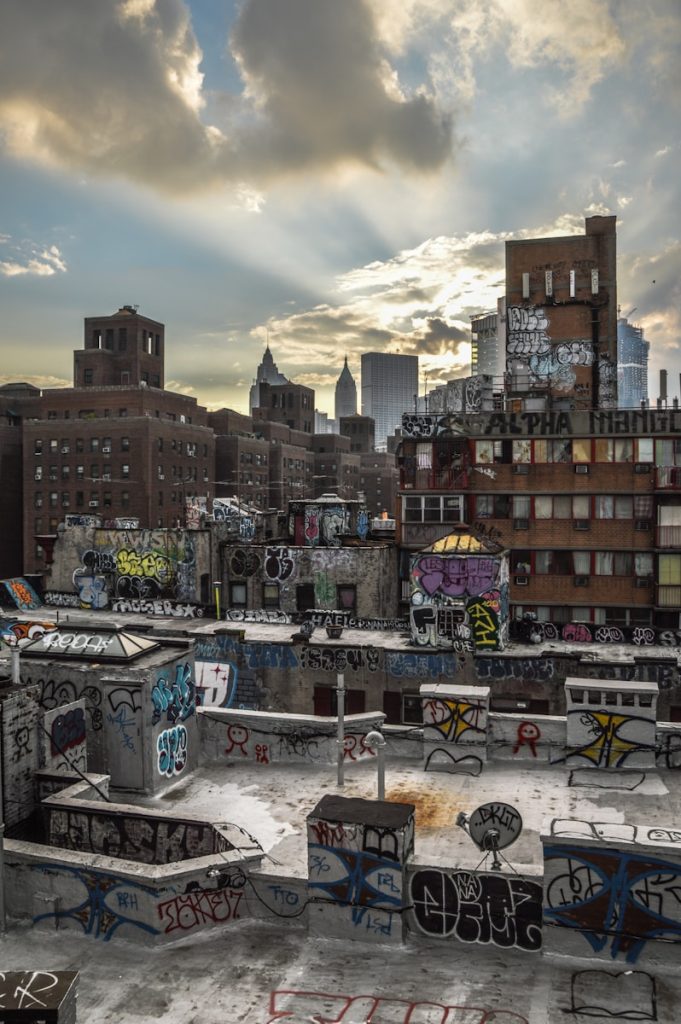
Street art and graffiti have their roots in urban environments, dating back to the 1960s and 1970s. During this time, cities like New York, Los Angeles and London were hubs for cultural movements, including hip-hop, punk and graffiti. These art forms emerged as a way for marginalized communities to express themselves, share their stories and reclaim public spaces. The early days of street art were marked by tagging, a form of graffiti that involved writing one’s name or alias in bold letters.
Notable Figures

Several influential street artists have made significant contributions to the art world. Some notable figures include:
- Banksy: Known for his satirical and often provocative works, Banksy has become a household name, with his art fetching millions at auction.
- Shepard Fairey: A pioneer of street art, Fairey’s iconic “Obey” sticker campaign has become a symbol of resistance and activism.
- Jean-Michel Basquiat: A graffiti artist turned painter, Basquiat’s work bridged the gap between street art and the art world, influencing a generation of artists.
Cultural Relevance
Street art has long been a powerful tool for social commentary, conveying messages about inequality, injustice, and social change. It has provided a platform for marginalized communities to express themselves, challenge dominant narratives, and reclaim their voices. Street art has also been used to raise awareness about issues like racism, sexism and environmental degradation.
Legitimization
The acceptance of street art in traditional art spaces can be attributed to several factors:
- Gallery exhibitions: Galleries began to showcase street art, providing a platform for artists to display their work to a wider audience.
- Art fairs: Art fairs like Art Basel and the Armory Show have featured street art, further legitimizing the genre.
- Auction houses: Auction houses like Christie’s and Sotheby’s have sold street art for millions, solidifying its place in the art market.
Current Trends
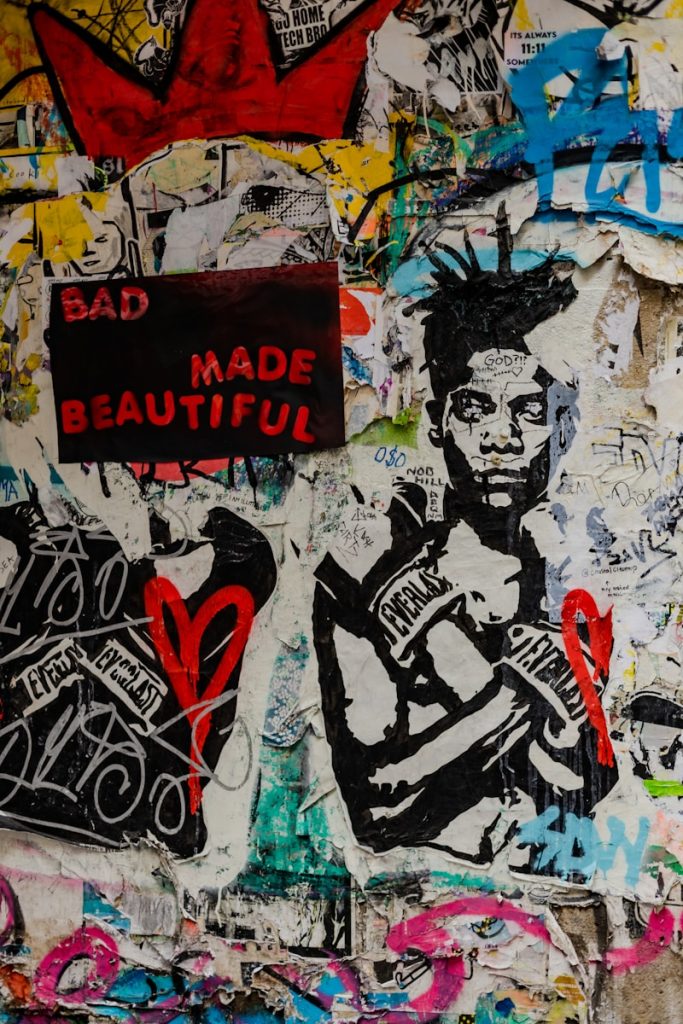
Street art has adapted to contemporary issues like technology, social media, and global movements. Some current trends include:
- Digital street art: Artists are using digital tools to create and share their work, expanding the reach and accessibility of street art.
- Social media activism: Street artists are using social media platforms to raise awareness about social and environmental issues.
- Global movements: Street art has become a powerful tool for global movements, such as Black Lives Matter and climate activism.
Community Engagement
Successful community-based street art projects have fostered local involvement and pride. Examples include:
- The Bushwick Collective in Brooklyn, New York, which features works by local and international artists.
- The Wynwood Walls in Miami, Florida, which have become a popular tourist destination and hub for street art.
- The Melbourne Street Art Festival in Australia, which celebrates local street art and culture.
The Future

The future of street art is bright, with its potential to inspire change and challenge societal norms. As street art continues to evolve, it is likely to:
- Incorporate new technologies and mediums, such as augmented reality and virtual reality.
- Address pressing global issues, such as climate change, inequality, and social justice.
- Foster community engagement and local pride, providing a platform for marginalized voices to be heard.
In conclusion, the evolution of street art is a testament to its power to challenge, inspire, and transform. As it continues to grow and adapt, street art will remain a vital force in the art world, pushing boundaries and sparking conversations.