
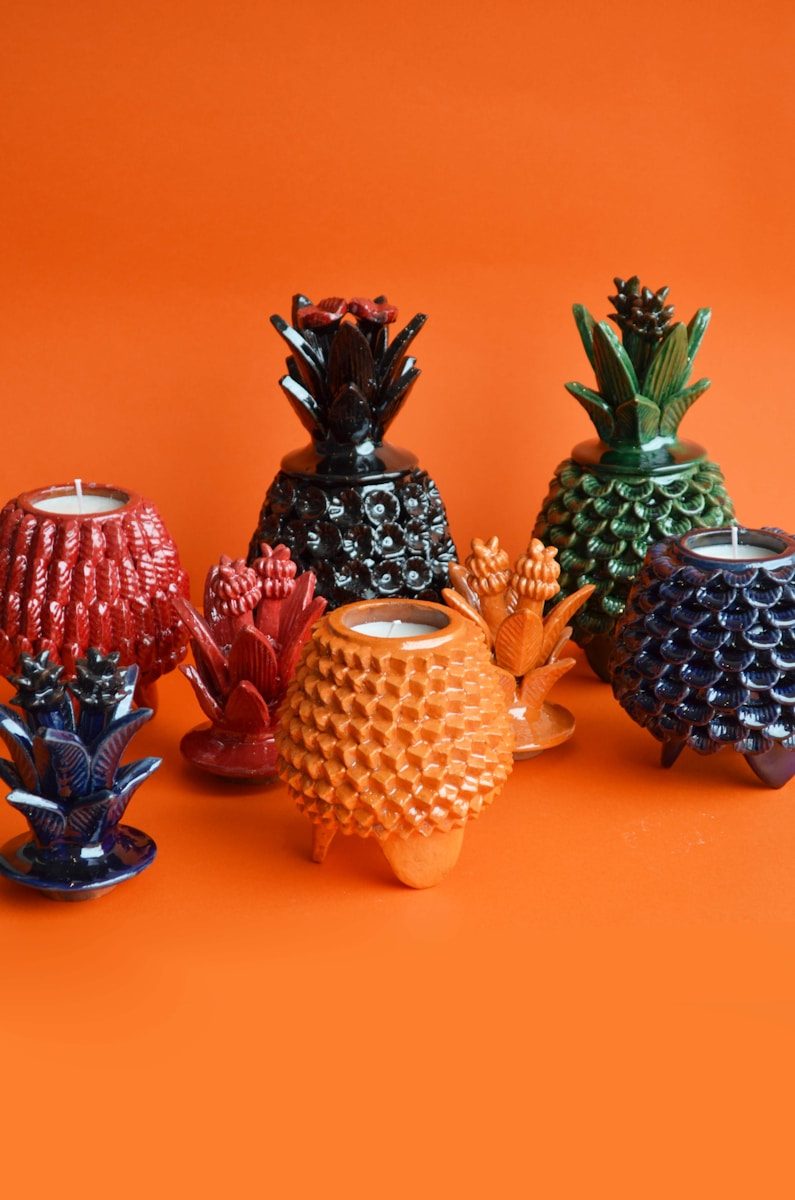
If you step into the studio of ceramic artist, Maria Rodriguez, you might be struck by the sight of a gleaming, ceramic vessel that seems to defy gravity. This is not your grandmother’s pottery. Rodriguez’s work, which combines traditional hand-building techniques with cutting-edge technology, is emblematic of a seismic shift in the world of pottery. No longer confined to the realm of craft, ceramics has emerged as a major force in contemporary art, with artists pushing the boundaries of materials, in addition to form and function.
To understand the current state of pottery art, it’s essential to consider its evolution from craft to fine art. The Studio Pottery Movement of the 1950s and 60s, led by artists like Peter Voulkos and Robert Arneson, paved the way for ceramics to be seen as a legitimate medium for artistic expression. The influence of Japanese mingei, with its emphasis on simplicity and rustic beauty, also played a significant role in shaping the field. Today, contemporary ceramic sculpture has become a thriving area of exploration, with artists like Ken Price and Isamu Noguchi pushing the limits of the medium.
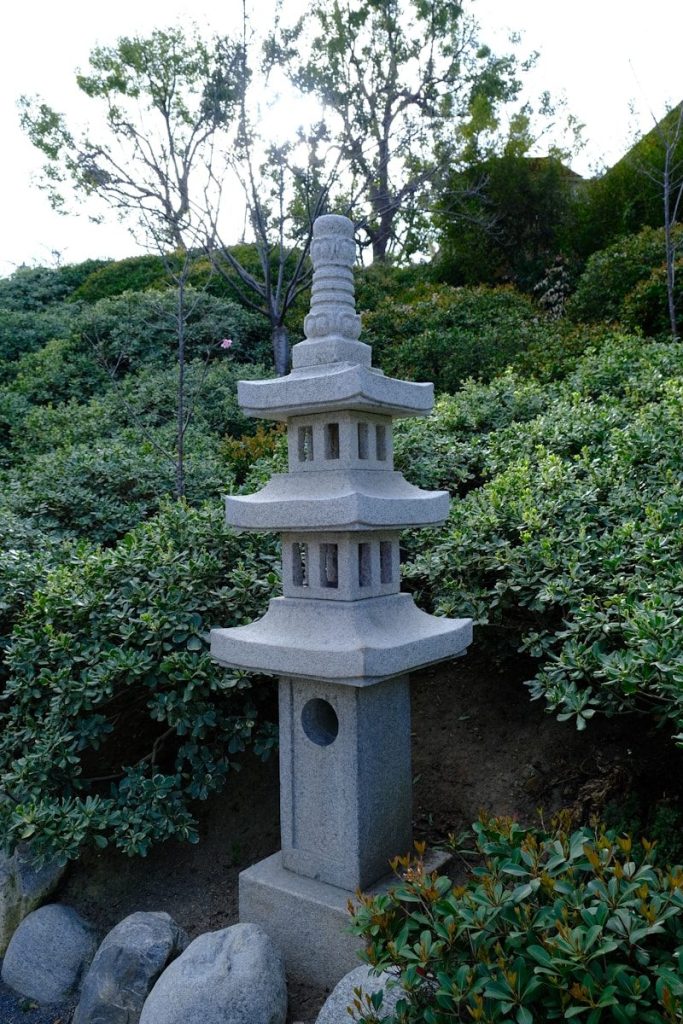
So, what’s driving the current excitement around pottery? One trend is the increasing integration of digital technologies into the creative process. Artists lare using 3D printing and laser cutting to generate complex forms that would be impossible to achieve by hand. This fusion of traditional techniques with modern technology has opened up new possibilities for ceramic artists, allowing them to experiment with novel materials and forms.
Another significant movement is the emphasis on sustainability and material consciousness. With the environmental impact of ceramic production becoming increasingly pressing, artists like Beth Cavener Stichter and Chris Moine are exploring eco-friendly approaches to their work. This might involve using locally sourced materials, experimenting with alternative firing methods, or incorporating recycled materials into their pieces.
The current conversation around pottery is also marked by a growing interest in cross-cultural dialogues and decolonizing ceramic traditions. Artists like Abdulrahman Alsultan and Lalla Essaydi are drawing on their cultural heritage to create work that challenges dominant narratives around ceramics. This might involve incorporating traditional techniques and motifs into their pieces, or using ceramics as a way to explore themes of identity and belonging.
Conceptual ceramics that challenge functional definitions are also on the rise. Artists like Martin Creed and Ann Hamilton are using ceramics to explore ideas around language, perception and the role of the artist. This might involve creating pieces that are intentionally non-functional, or using ceramics as a way to engage with broader cultural and philosophical questions.
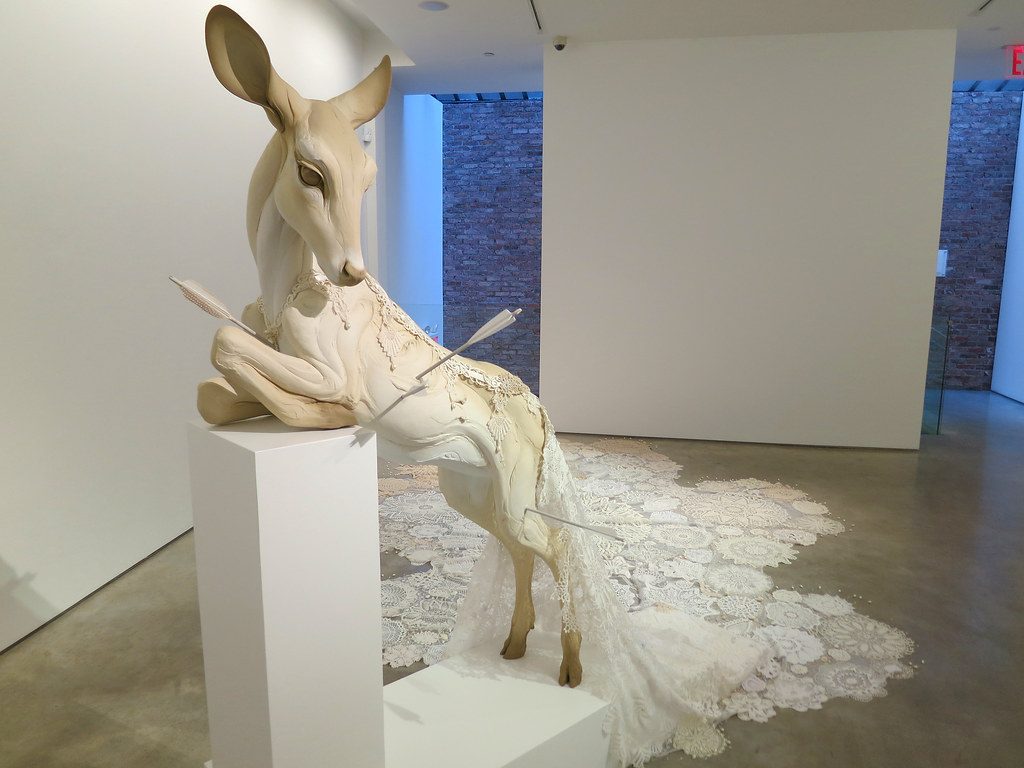
Beth Cavener Stichter, another artist mentioned earlier, is a pioneer in the field of sustainable ceramics. Her work often incorporates locally sourced materials and explores themes of environmentalism and social justice. Stichter’s pieces are not only beautiful but also environmentally conscious, making her a key figure in the current conversation around pottery.
Abdulrahman Alsultan, a Saudi Arabian artist, is redefining the boundaries of traditional ceramics. His work draws on Islamic geometric patterns and calligraphy, but also incorporates modern materials and techniques. Alsultan’s pieces are a testament to the rich cultural heritage of ceramics, while also pushing the medium forward in exciting new ways.
From a market and institutional perspective, pottery is experiencing a surge in popularity. Galleries like Hauser & Wirth and museums like the Museum of Modern Art are increasingly showcasing ceramics, and auction prices for top-tier pieces are reaching into the six figures. Emerging collectors are also driving the market, with many seeking out unique and innovative pieces that reflect their values and interests.
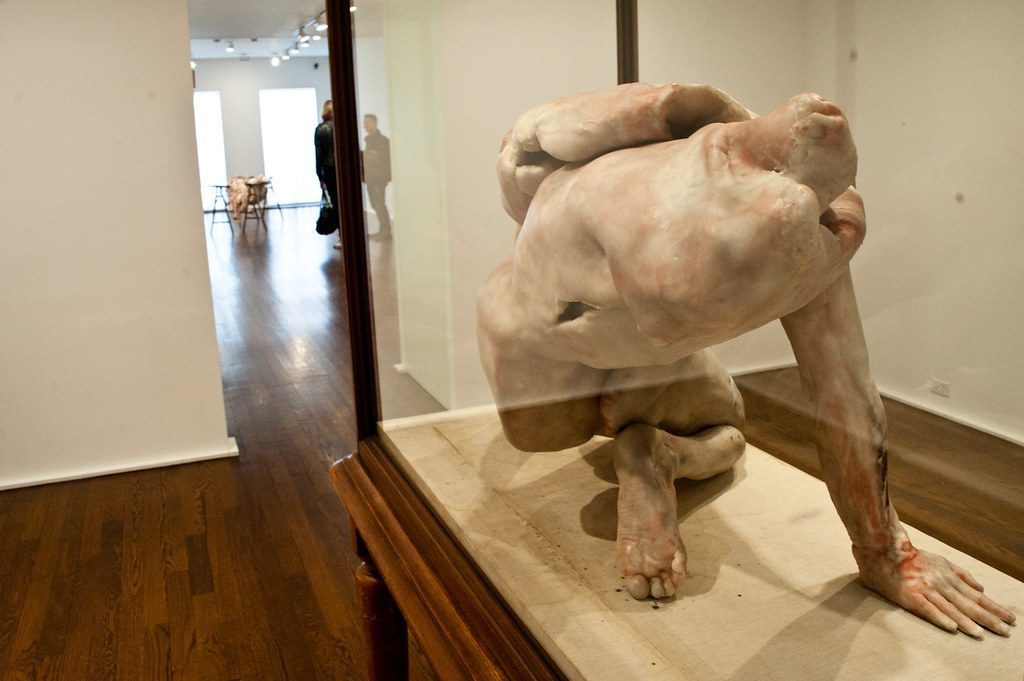
However, despite this excitement, the field of pottery is not without its challenges and debates. One of the most pressing issues is the tension between craft and fine art. While some argue that ceramics is a craft that should be valued for its technical skill and beauty, others see it as a legitimate medium for artistic expression. This debate is reflected in the way that ceramics are often marginalized in art institutions, with many museums and galleries relegating them to craft or decorative arts sections.
Accessibility is another significant issue, with many ceramic artists struggling to make a living from their work. The cost of materials, equipment and studio space can be prohibitively expensive, making it difficult for emerging artists to break into the field. This has led to calls for greater support and resources for ceramic artists, including residencies, grants and mentorship programs.
Environmental concerns around firing methods are also a pressing issue. The carbon footprint of ceramic production is significant, with many artists and studios seeking out more sustainable approaches to firing and materials. This might involve using electric or gas kilns, which are more energy-efficient than traditional coal-fired kilns.
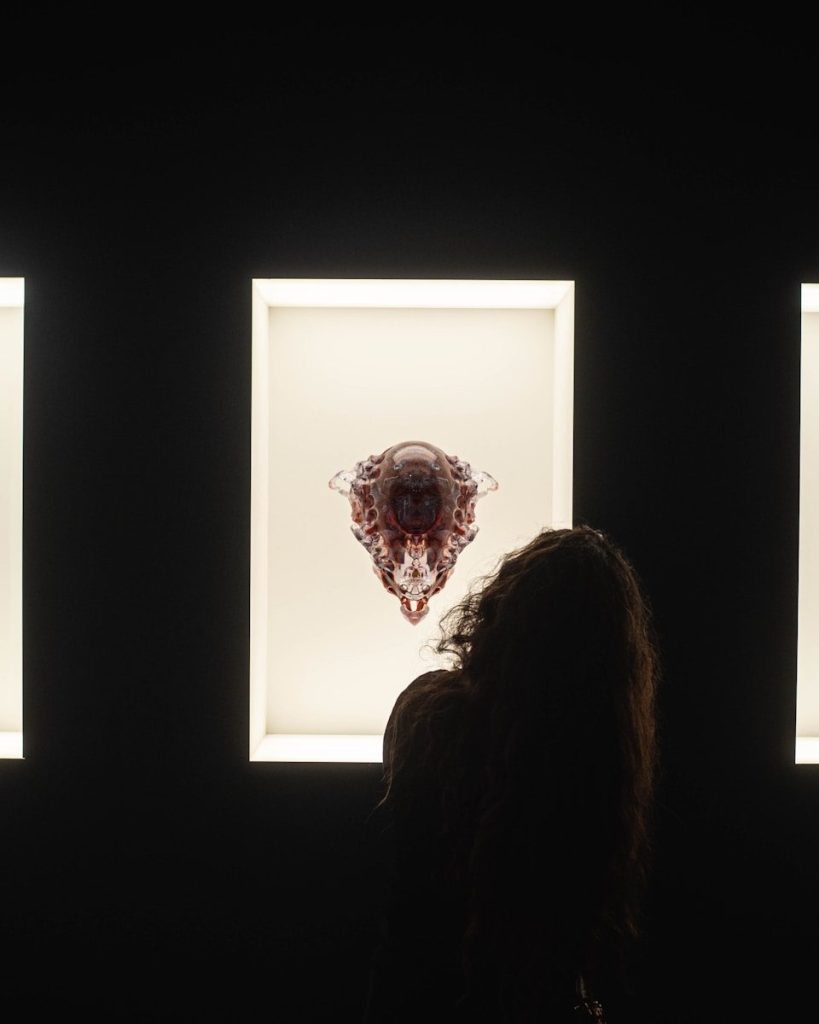
As we look to the future, it’s clear that pottery is at a crossroads. With the integration of digital technologies, the emphasis on sustainability, and the growing interest in cross-cultural dialogues, the medium is poised for continued innovation and growth. Emerging voices to watch include artists like Neri Oxman, who is pushing the boundaries of materiality and form, and studios like the Ceramic Lab, which is dedicated to exploring the intersection of ceramics and technology.
The current state of pottery art is one of excitement and innovation. With its rich history, diverse range of approaches, and growing recognition in the art world, ceramics is poised to continue making waves in the years to come. As we move forward, it’s essential that we prioritize sustainability, accessibility and inclusivity, ensuring that this ancient medium remains vibrant and relevant for generations to come.