
The collector from Hong Kong stood motionless before a monumental abstraction by Qatari artist Rashid Al-Marri, her phone already photographing the price list. Behind her, a Saudi advisor whispered calculations to a first-time buyer from Mumbai. Across the Doha Exhibition and Convention Centre’s gleaming corridors, Art Basel Qatar 2026 hummed with a particular kind of energy,not the frenetic urgency of Miami or the established confidence of Basel itself, but something more commercial.
This year’s edition marked the fair’s thirteenth iteration since its 2013 debut and the shift has been gradual. Where once Art Basel Qatar felt like a Western institution transplanted to the Gulf, it now functions as something closer to a genuine global crossroads. The fair welcomed 200 galleries from 45 countries, with a notable surge in representation from South Asia, Southeast Asia and Africa, galleries that, five years ago, would have struggled to secure booth space in Miami or Switzerland.
The Fair’s Evolving Position
Art Basel Qatar occupies a peculiar niche in the fair ecosystem. It arrives after the January madness of Miami and before the May spectacle of Basel proper, yet it has never quite felt like a supporting player. Instead, it functions as a bellwether for how the global art market is reshaping itself. Marc Spiegler, director of Art Basel, noted in his opening remarks that the fair now attracts collectors who bypass Miami entirely, viewing Doha as the more significant market for their acquisitions. This represents a fundamental shift from a decade ago, when Qatar was primarily seen as a destination for trophy Western contemporary art.
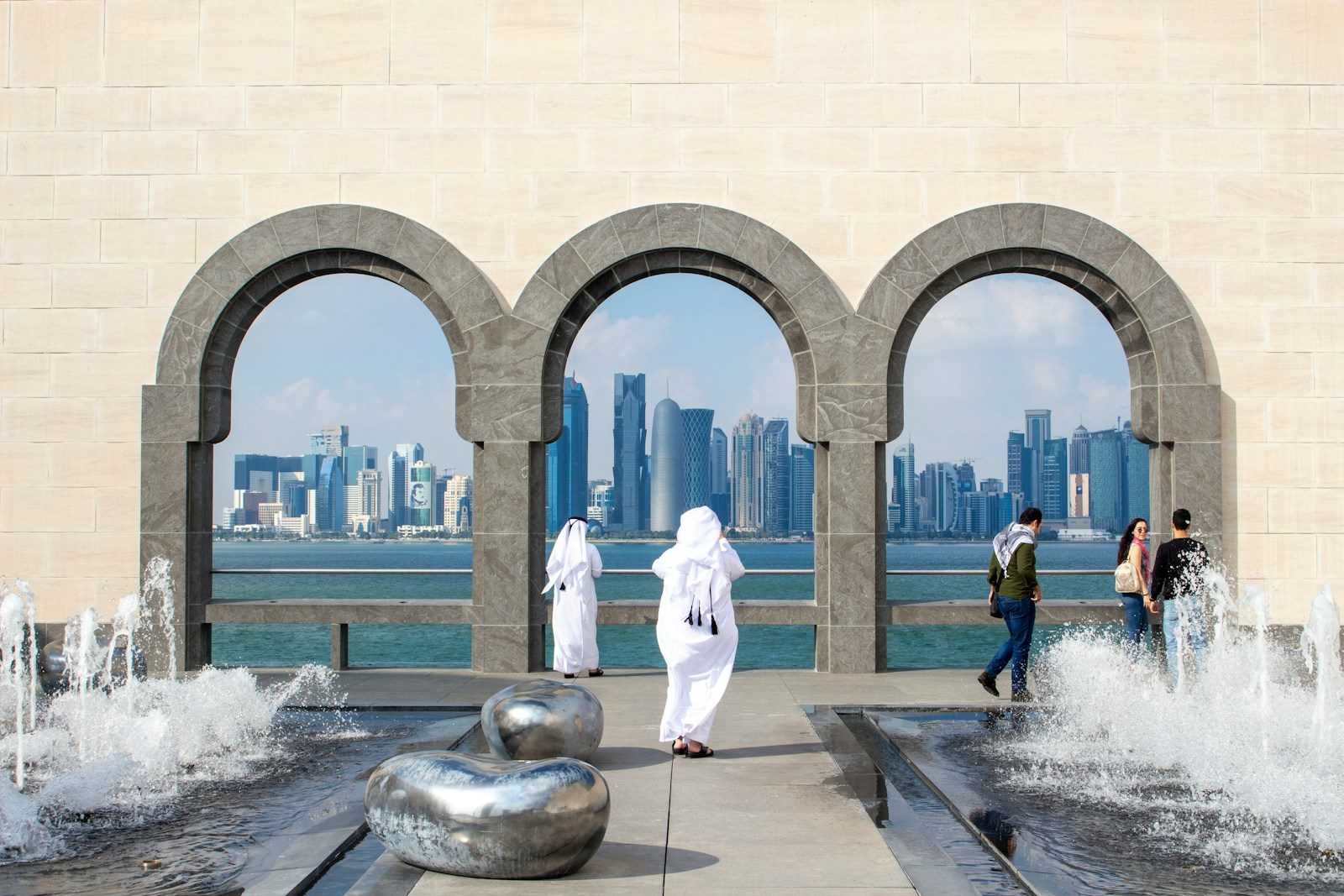
The geopolitical context matters here. Qatar’s 2022 World Cup and the infrastructure investment that accompanied it have helped transform Doha into a genuine international hub. More significantly, the nation’s $335 billion sovereign wealth fund and its aggressive cultural acquisitions strategy have made it a player in the global art market that cannot be ignored. Using money they have kicked down that door. The Museum of Islamic Art, the Mathaf (Arab Museum of Modern Art) and the newly expanded Doha Fire Station artist residency have positioned the country as a serious cultural destination rather than merely a wealthy buyer of prestige objects.
What’s Selling, and to Whom
The market dynamics on display at this year’s fair tell a revealing story about where money is flowing and what collectors actually want. Mid-career female artists from Asia and the Middle East dominated gallery conversations, many works priced between $50,000 and $300,000 moved quickly, with several galleries reporting sell rates of 60 percent or higher by the fair’s second day. This represents a marked departure from previous years, when blue-chip Western male artists commanded the lion’s share of attention and capital.
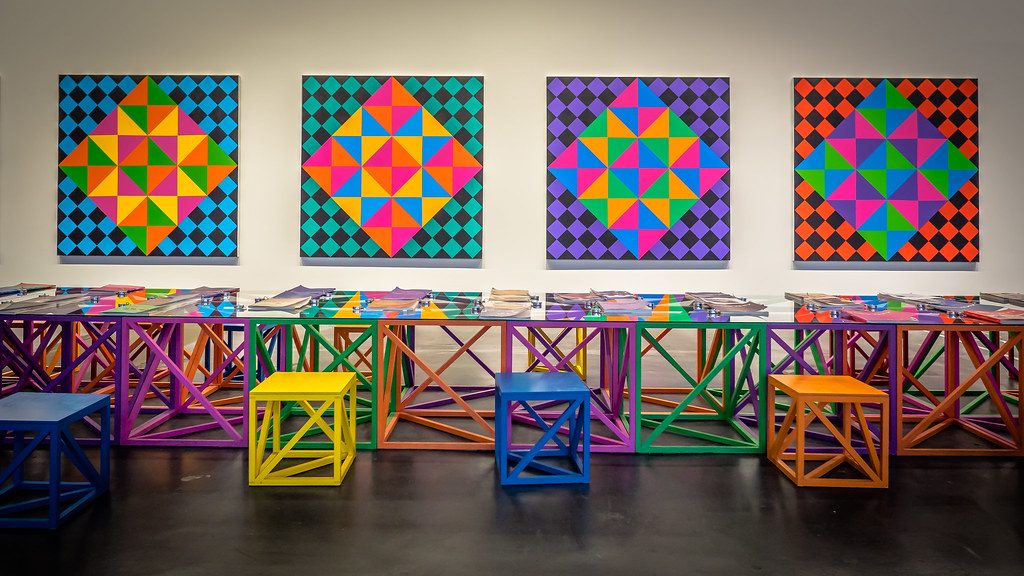
Emerging market galleries reported unprecedented interest. A Dubai-based gallery specializing in South Asian contemporary art sold eight works on opening day alone, with pieces by Pakistani artist Rasheed Araeen (priced at $180,000–$250,000) attracting serious bidders. Meanwhile, galleries representing African artists noted that collectors from the Middle East and Asia were now competing directly with Western institutions for acquisitions, a dynamic that has begun to reshape pricing and availability.
Digital and technology-integrated work showed surprising strength, though not in the speculative NFT manner of 2021–2022. Instead, collectors gravitated toward artists exploring AI, biotechnology and computational processes as genuine artistic inquiry. A booth featuring generative works by Sougwen Chung drew sustained attention, with institutions and private collectors alike viewing the work, though whether this will be a lasting trend is yet to be seen.
The notable absence? Speculative contemporary painting by established Western male artists. Several galleries that typically anchor themselves with high-priced works by artists like Jordan Casteel or Christina Quarles reported slower sales than anticipated. Dealers attributed this to a market correction, collectors are becoming more discerning, less willing to chase momentum-driven price increases. One prominent advisor described it as “the end of the FOMO era in contemporary art.”
Regional Voices, Global Ambitions
Perhaps the most significant story at Art Basel Qatar 2026 is the emergence of Gulf and Middle Eastern artists as genuine international market players rather than regional curiosities. Al-Marri’s abstraction, a series of monumental canvases exploring the intersection of Islamic geometric pattern and Western color field painting, sold for $420,000, a new record for the artist. More tellingly, the buyer was a major American museum, not a local collector seeking regional validation.
The fair also showcased a growing dialogue between Western and Middle Eastern institutional frameworks. The Sharjah Biennial’s chief curator participated in a panel discussion about how regional biennales are reshaping the global contemporary art narrative, arguing that institutions in the Gulf are no longer seeking permission from Western gatekeepers but rather establishing independent curatorial visions that Western institutions must reckon with.
Local collectors are increasingly sophisticated and selective. Rather than acquiring broadly across mediums and geographies, they’re building focused collections around specific artistic concerns, materiality, labor, postcolonial discourse, environmental futures. This intellectual rigor has begun to filter into how galleries approach the fair, positioning work thematically rather than by artist pedigree or investment potential.
Looking Forward
Art Basel Qatar 2026 suggests a market in transition, moving away from the Western-centric model that dominated for decades. The fair itself is no longer a satellite of Basel or Miami but a genuinely autonomous space where different artistic and commercial logics intersect. The collectors, galleries and artists present are reshaping not just what gets sold, but what gets made and how it gets valued.
For those watching the global art market, the message is clear: the center is no longer holding in the traditional sense. Instead, we’re witnessing the emergence of multiple centers, multiple conversations and a far more genuinely global ecosystem. Art Basel Qatar 2026 didn’t invent this shift, but it made it impossible to ignore.